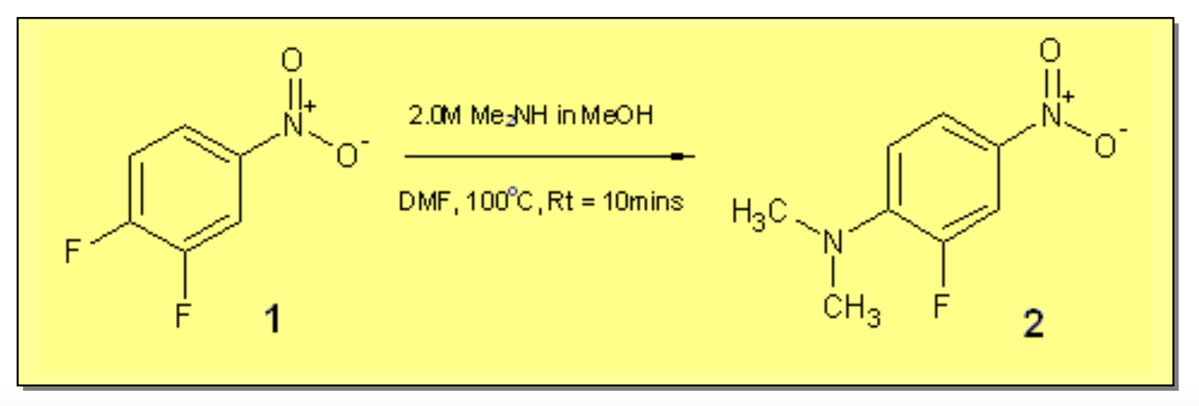
【Vapourtec】Application Note 23 – SNAr with dimethylamine
This example illustrates the use of the Vapourtec R-Series system to react dissolved gases under pressure without the use of scale limiting pressure reactors (e.g. Parr ‘bombs’).

This example illustrates the use of the Vapourtec R-Series system to react dissolved gases under pressure without the use of scale limiting pressure reactors (e.g. Parr ‘bombs’).
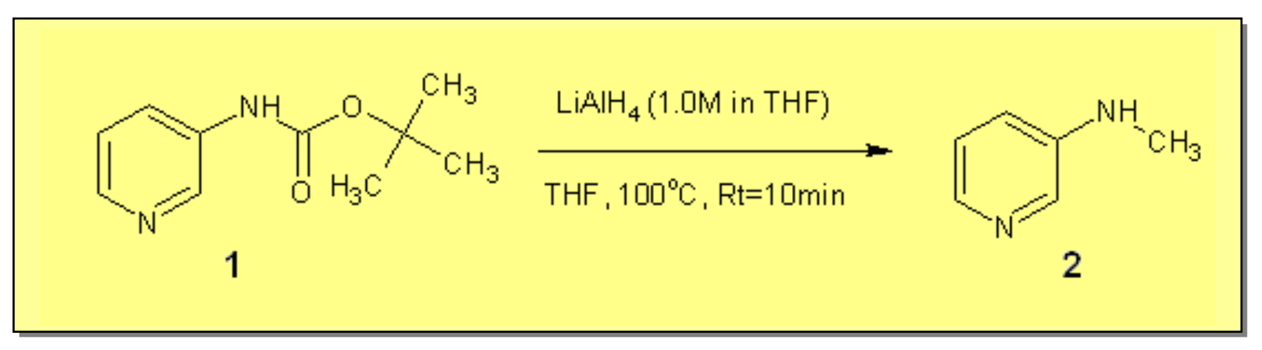
This example illustrates the use of the Vapourtec R-Series system to carry out reactions with moisture sensitive, highly reactive reagents under flow conditions.
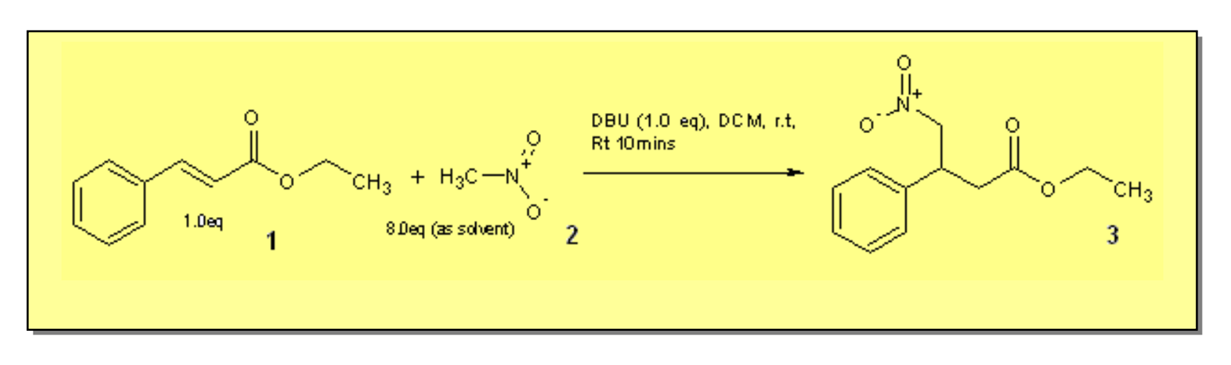
This example illustrates the use of the Vapourtec R-Series flow chemistry platform to safely process an extremely energetic, reactive intermediate.
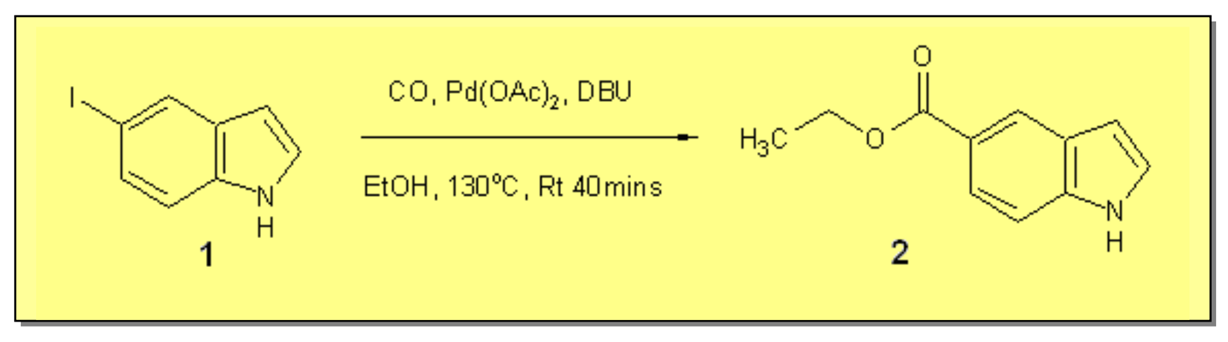
This example illustrates the use of the new Vapourtec tube in tube gas reactor combined with the Vapourtec R-Series system to react reagent gases under pressure without the use of scale limiting pressure reactors (e.g. Parr ‘bombs’).
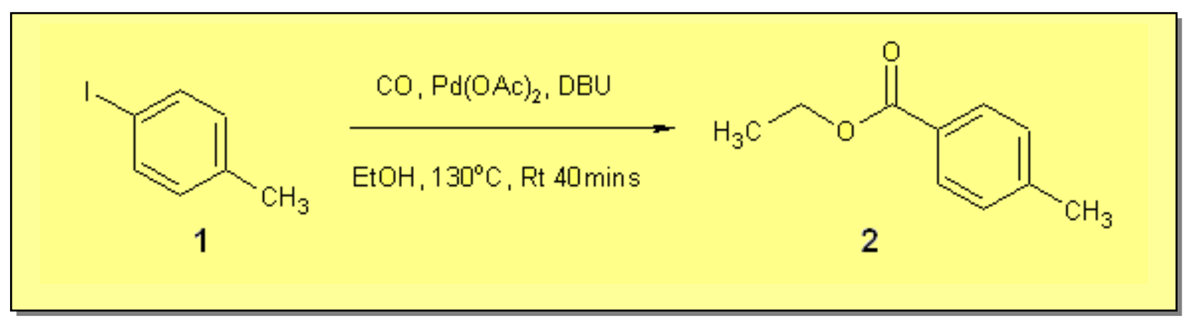
This example illustrates the use of the new Vapourtec tube in tube gas reactor combined with the Vapourtec R-Series system to react reagent gases under pressure without the use of scale limiting pressure reactors (e.g. Parr ‘bombs’).
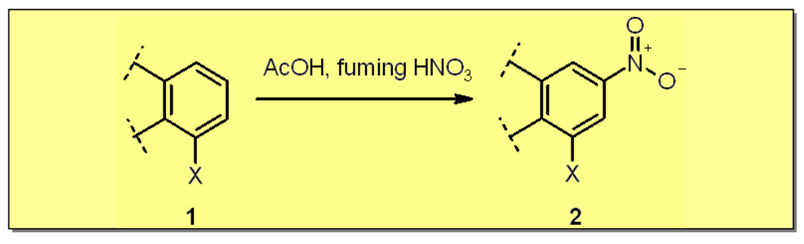
Nitration with fuming nitric acid and subsequent scale-up
This Application Note illustrates how a Vapourtec acid resistant R Series flow chemistry system
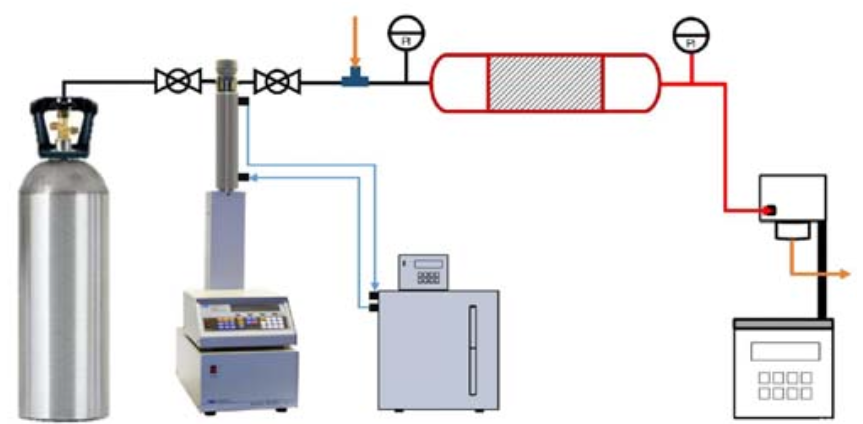
CO₂ is a thermodynamically stable molecule and an increase in reaction pressure is known to be advanta- geous for efficient CO₂ activation as evident from the thermodynamic equilibrium conversion and selectivity calculations (Figure 1).
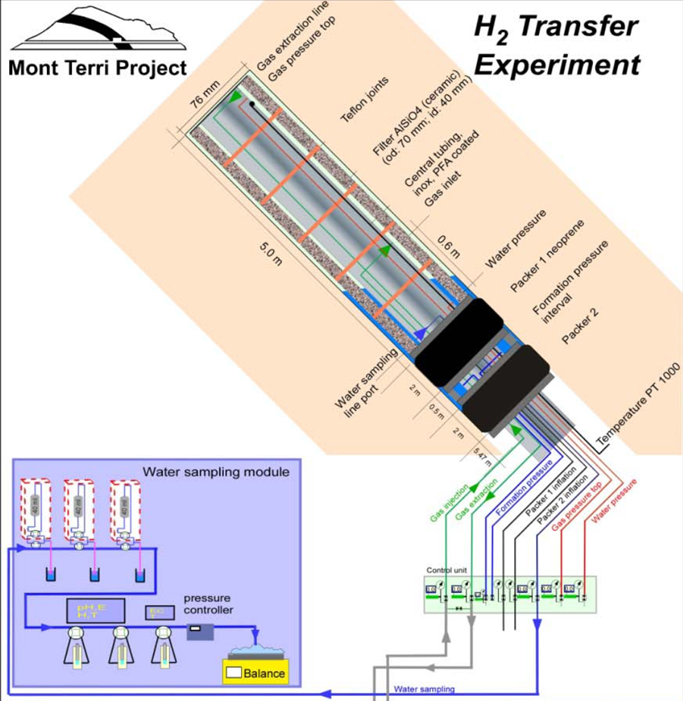
Steel components are generally used in the design of deep geological repositories for high-level radioactive waste. After closure of the underground disposal gal- leries, anoxic corrosion of steel is expected to produce hydrogen gas.
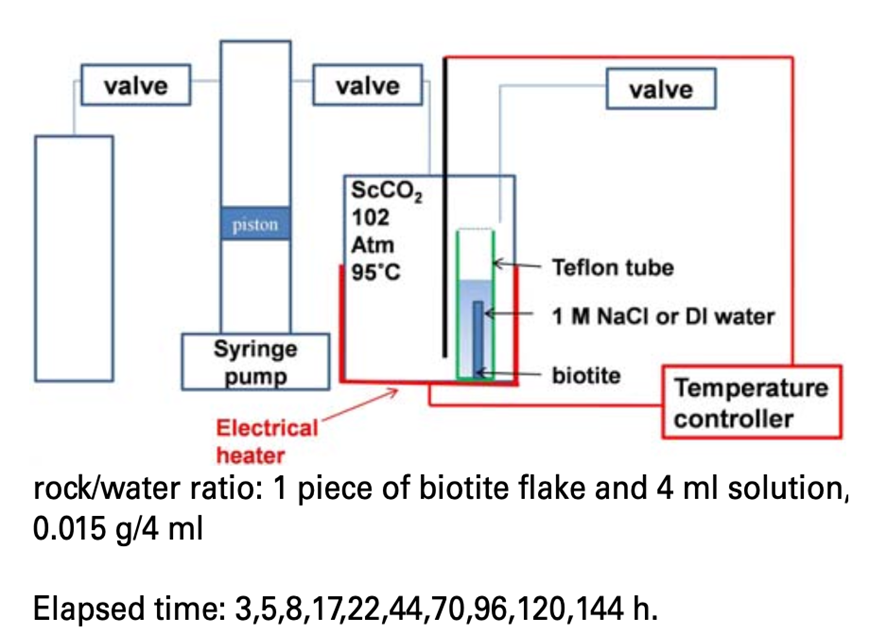
Geologic carbon sequestration (GCS) is needed to mitigate global warming caused by increased atmo- spheric CO₂ concentrations.
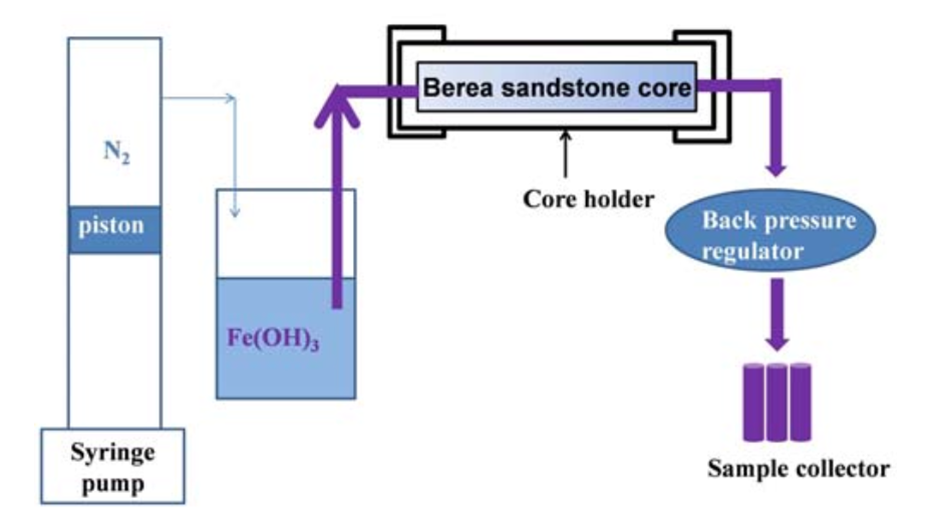
Iron hydroxide precipitation is an important process in many subsurface environments, such as managed aquifer recharge, geologic carbon sequestration, as well as water injection enhanced oil production.